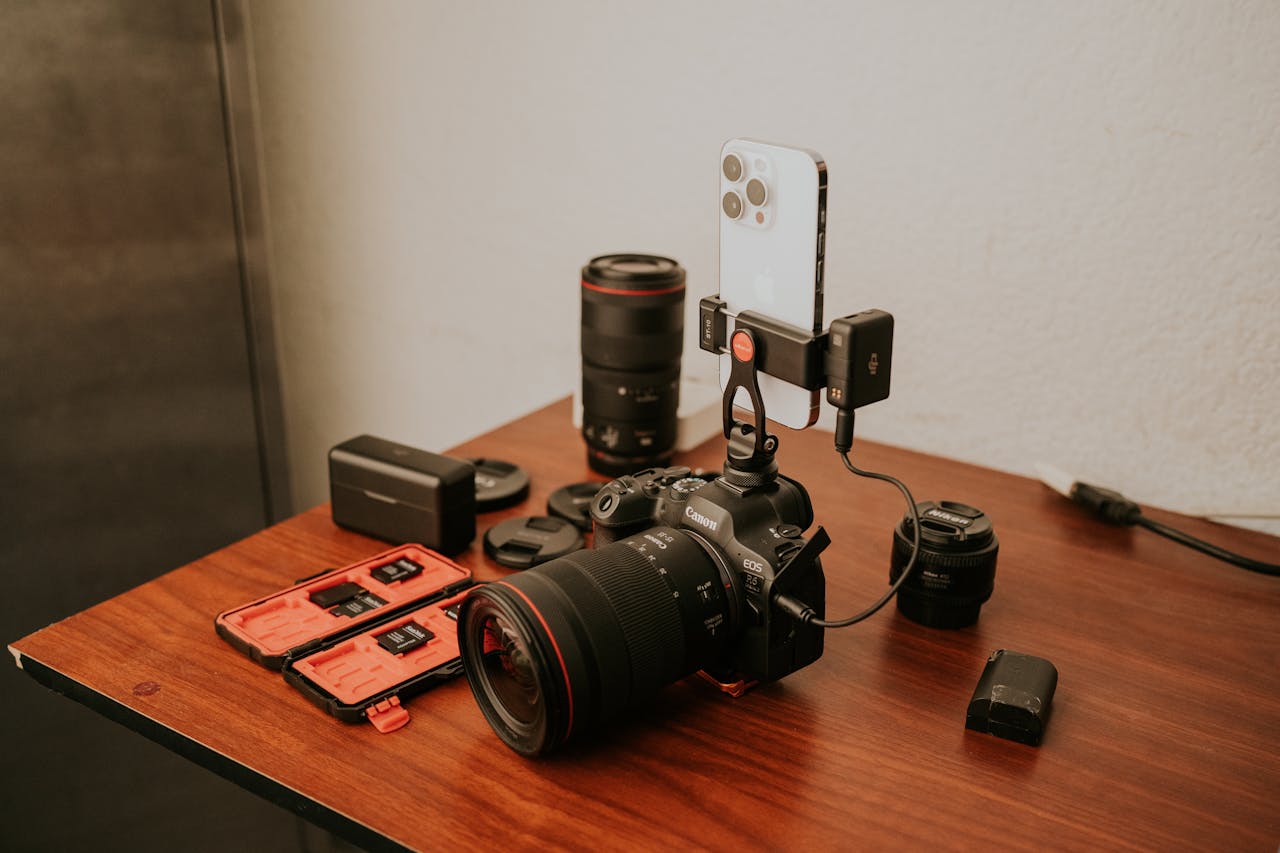
Breaking Down the Differences Between Digital Vision Systems

July 18, 2025
In today’s fast-evolving technological landscape, digital vision systems are carving a niche for themselves across various industries. These systems, which are software and hardware solutions that mimic the ability of the human visual system, are literally reshaping how businesses operate. From industrial digital cameras to sophisticated image processing software, the choices are vast and tailored to specific needs. But understanding the nuanced differences between these systems can be a complex endeavor. Here, we delve into the essential aspects of digital vision systems, shedding light on their core differences and applications.
Understanding Digital Vision Systems
Digital vision systems are essentially technological setups designed to capture, process, and analyze real-time visual data. These systems encompass a vast array of components such as cameras, image processing algorithms, and user interfaces, creating a seamless vision solution. But what makes one system different from another? Primarily, it’s the application specificity, the technological capability of capturing and processing visual data, and the integration compatibility with existing systems.
Core Components: Hardware vs. Software
The first distinction lies in the hardware versus software components of digital vision systems. Hardware includes elements like industrial digital cameras and lighting systems, while software focuses on algorithms for data processing and analysis.
- Industrial Digital Cameras: These are pivotal for capturing high-quality images. Their specifications, such as resolution and sensor type, significantly impact system performance.
- Image Processing Software: This component is crucial for interpreting captured images. Advanced algorithms enable features like object recognition and pattern detection.
Applications Across Industries
Digital vision systems have found pathways into diverse industries, including manufacturing, healthcare, security, and automotive. The variety of applications is endless but often falls into two fundamental categories:
- Quality Control and Inspection: In manufacturing, digital vision systems are employed to ensure product quality, detecting errors that the human eye may miss.
- Automation and Robotics: In the automotive and logistics industries, these systems drive automation by providing real-time data that informs the movement and operation of machines.
Integration and Scalability
Another significant difference between digital vision systems is their ability to integrate with other technologies. Systems with open architecture designs allow for easy integration with existing enterprise systems, facilitating scalability and adaptability to evolving technological demands.
Scalability is more than a buzzword; it’s a measure of a system’s longevity. Systems that scale can literally grow as a business’s needs expand, offering a long-term return on investment.
Cost vs. Benefit Analysis
The differences between digital vision systems also extend to their cost and the benefits they provide. While up-front investment may be significant, the benefits such as improved efficiency, reduced operational errors, and increased production speed often outweigh the costs in the long run.
Businesses are increasingly viewing these systems as a strategic investment. Conducting a cost-benefit analysis can aid in understanding the financial implications versus the potential productivity gains.
The Lens of Tomorrow
As we look to the future, the evolution of digital vision systems hints at a world where technology is not just an augmentation of human capabilities but a complement. These systems will continue to advance, literally spearheading innovations that transform industries by improving precision and efficiency. The key to leveraging these benefits is understanding and selecting the right digital vision system that aligns with specific application needs. Embracing this technology today prepares businesses for the advancements of tomorrow.