The Intersection Of Politics, News, And Democracy: An Unraveling Perspective

August 4, 2023
Politics, news, and democracy — three critical elements that form the backbone of society. They are intricately intertwined, each relying on the other to function effectively. In this article, we will explore how politics influences the news, the impact of news on democracy, and why an engaged citizenry is crucial for the success of any democratic system.
The Politics and News Connection
Politics, as the primary keyword in this discussion, is the art and science of governance. It encompasses the ideologies, policies, and activities that shape a nation. Similarly, news acts as the information conveyor, providing citizens with valuable insights regarding the political landscape.
In any democratic society, politics has immense influence over the news. Politicians and political parties utilize various channels to convey their messages, relying on the media to amplify their viewpoints. This symbiotic relationship between politics and the news industry creates an environment where political maneuvering and ideology directly impact the stories that reach the public.
While it is crucial for a democratic society to have access to balanced and objective news coverage, the reality often falls short of the ideal. Biased reporting, sensationalism, and the propagation of certain agendas can distort information, making it challenging for citizens to form their own opinions.
The Impact of News on Democracy
Democracy, the secondary keyword, is the cornerstone of any free and just society. It affords citizens the ability to participate, express their views, and choose their leaders. However, for democracy to flourish, an informed citizenry is essential. This is where the role of news becomes even more critical.
News acts as the conduit between politicians and the public, shaping public opinion and influencing democratic outcomes. A well-informed electorate can make rational decisions based on accurate information, holding their elected officials accountable for their actions. Conversely, the spread of inaccurate or misleading news can erode trust in the democratic process, leading to apathy and disengagement.
The rise of social media and the 24-hour news cycle has intensified this relationship between news and democracy. The dissemination of news has become faster and more accessible, allowing citizens to be constantly updated on political developments. However, this influx of information has also given rise to misinformation and the spread of “fake news.” In such an environment, distinguishing between reliable sources and sensationalized content becomes a challenge.
The Role of Engaged Citizens
In a healthy democracy, informed and engaged citizens are the lifeblood. They possess the power to shape the political landscape through their votes, activism, and advocacy. Moreover, they hold the key to safeguarding the integrity of news and ensuring that the democratic process remains robust.
An engaged citizenry actively seeks out diverse perspectives and questions the information presented to them. They value critical thinking and are willing to have nuanced discussions on complex political issues. By keeping themselves well-informed through reliable news sources and employing fact-checking techniques, they cut through the noise and access more accurate information.
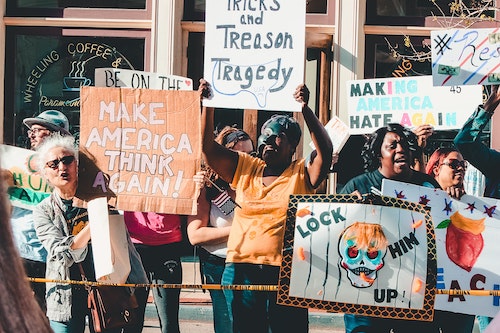
Additionally, engaged citizens actively participate in democratic processes, such as voting, civil discourse, and community involvement. They lend their voices to important conversations, contributing to the democratic discourse and encouraging others to do the same. This collective engagement strengthens the democratic system, reinforcing the idea that every citizen has a stake in shaping the future of their nation.
Conclusion
Politics, news, and democracy are intertwined aspects of modern society, each relying on the other for their success. The relationship between politics and news can shape public opinion, either facilitating or impeding the democratic process. In turn, an engaged citizenry is crucial to ensure that the information we receive is accurate and that our democracy remains strong.
As politically engaged individuals, news enthusiasts, and advocates of democracy, it is our responsibility to actively participate in shaping our society. By recognizing the influence of politics on news and the impact of news on democracy, we can navigate the vast information landscape more effectively. Let us strive to critically analyze the news we consume, seek diverse perspectives, and become active contributors to the democratic process. Only then can we achieve a truly vibrant and inclusive democracy that reflects the will of the people.